
Visiting Uganda is an unforgettable experience! This incredible country is full of natural beauty, rich culture, and some of the friendliest people you’ll ever meet. From the rolling green hills to once-in-a-lifetime wildlife encounters, there’s so much to love. But as with any destination, a little preparation goes a long way.
Here are 18 things to know before visiting Uganda to help you travel confidently and respectfully.

I first traveled to Uganda in 2010 while working for an NGO based in South Sudan, and I’ve been in love with the country and its people ever since. Over the years, I’ve returned many times for work. And in 2019, I founded a nonprofit called Preserve International that exists to fight hunger and seasonal poverty in northern Uganda through the provision of rurally-minded food preservation technology and training to reduce post-harvest crop loss. If you're interested you can learn more at our website: www.preserveinternational.org
Uganda holds a special place in my heart and after so many visits I’ve picked up a few helpful tips along the way. Whether you're going for work, adventure, or something in between, here are my top things to know before visiting Uganda for the first time.
Jump to:
- 1. Visa & Entry Requirements
- 2. Yellow Fever vaccination.
- 3. Currency & Payments
- 4. Be Patient - Things Often Move More Slowly than they do in the U.S.
- 5. Power Outages are Pretty Common
- 6. Confrontation & Bribes
- 7. Photography Etiquette
- 8. Greetings Matter
- 9. Transportation Considerations
- 10. Food & Water Safety
- 11. Tipping Etiquette
- 12. Hotels, Guesthouses and Airbnbs
- 13. Religion & Politics
- 14. Health & Services
- 15. Rainy & Dry Seasons
- 16. Register with the U.S. State Department
- 17. Wildlife & Permits
- 18. Public Displays of Affection
- Special Note: Considerations for Same Sex Couples Traveling to Uganda.
- Final Thoughts
1. Visa & Entry Requirements
U.S. citizens do need a visa to visit Uganda, and it’s best to get it ahead of time through the official e-visa portal. Your passport should be valid for at least 6 months from your date of entry. Immigration officers do check, so don’t cut it close!

2. Yellow Fever vaccination.
You’ll need to show proof of your yellow fever vaccination when you arrive in Uganda. Bring your yellow vaccine card (the little yellow booklet) and ideally a color copy too. I’ve had this checked most times I’ve flown in, and they take it seriously—no card, no entry.
Along with your yellow fever you should check with your healthcare provider to make sure you have other recommended vaccinations. Most will recommend getting vaccines for: Hepatitis A, Typhoid, Hepatitis B and Meningococcal Meningitis.
And make sure you are up to date on your standard vaccinations such as MMR (Measles, Mumps and Rubella) and DTP (Diphtheria, Tetanus and Pertussis).
3. Currency & Payments
The local currency is the Ugandan Shilling (UGX), and while some places in major cities may accept cards, it’s very much a cash economy.
ATMs are available in larger towns but they’re not always reliable. I recommend withdrawing some local cash when you arrive at the airport. Mobile money is popular in Uganda, but as a tourist you’ll likely be using cash the most.
4. Be Patient - Things Often Move More Slowly than they do in the U.S.
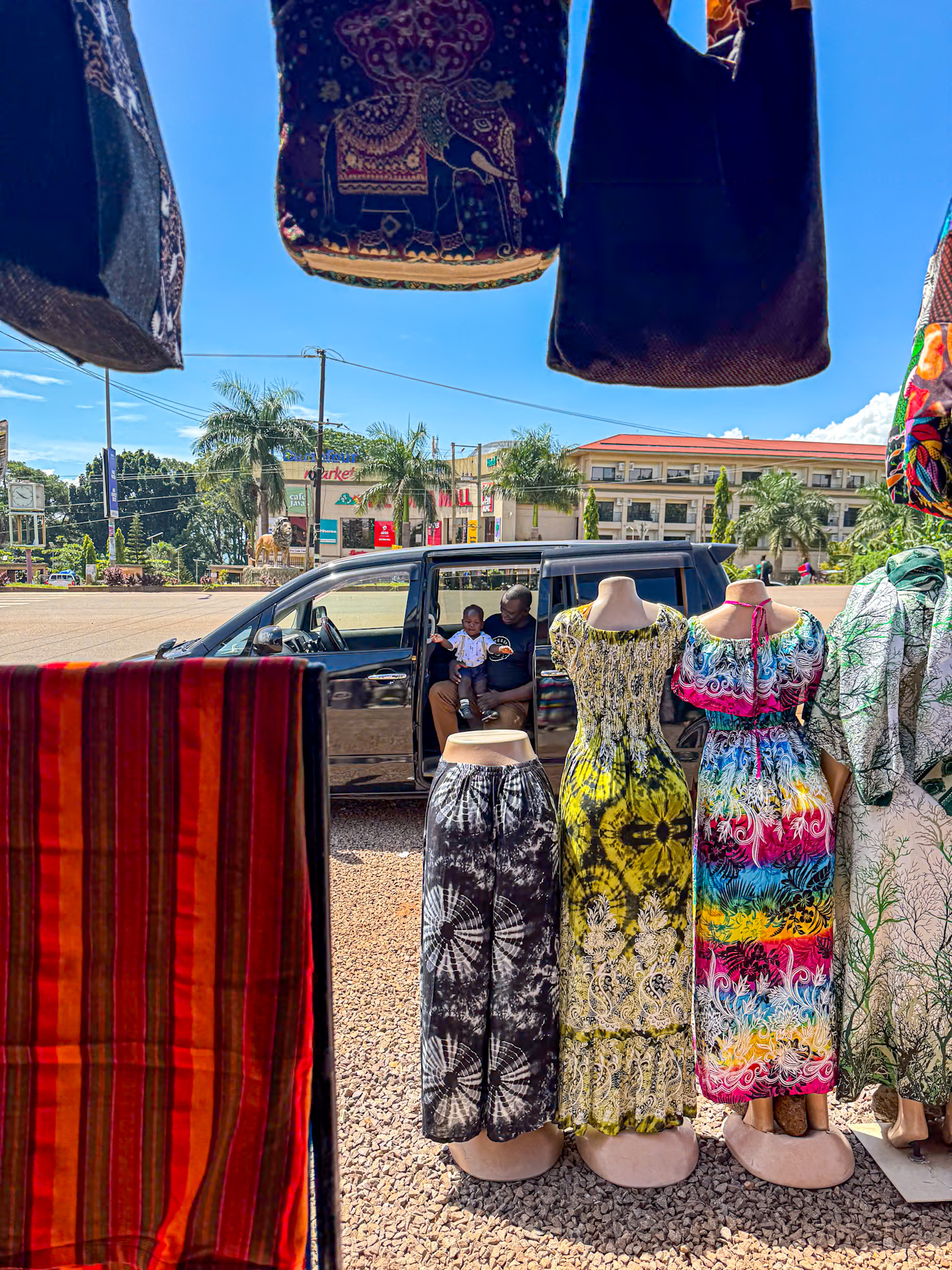
Things move a little slower in Uganda. Whether it’s waiting for a meal or transportation, having a flexible mindset will go a long way. You’re on Uganda time now. Take a deep breath and embrace the slower pace.
5. Power Outages are Pretty Common
Power outages (and internet blackouts) happen frequently, even in major towns. I always pay for full phone service abroad and bring a solar charger so I’m not caught off guard. It’s one of those “prepare for the worst, enjoy the best” travel tips.
I have 2 of these Solar Charger Power Banks from Amazon and they work great in Uganda (and also at Disney, haha)!
6. Confrontation & Bribes
Unfortunately, bribes are common in certain situations, especially on the road or at checkpoints. This is where having a trusted local guide is extremely helpful—they know what’s appropriate, how to handle requests, and when to push back. As a foreigner, this can be a bit more tricky to navigate solo.
Here are a few tips for how to handle bribe requests:
- Play the Confused Tourist: Honestly, this has worked great for me in the past. Pretending you don’t understand what's being asked can be surprisingly effective.
- Request a Receipt or Official Documentation: If someone is claiming you need to pay a fee or fine, ask for a written citation or receipt. This usually deters illegitimate requests and signals that you’re not an easy target.
- Have a Local Contact on Speed Dial: If you can, call a local guide, hotel manager, or even a local NGO you’re working with and let the person know you’re checking with someone. Just saying, “Let me call my friend who works with the embassy” can change the tone of the conversation fast.
Remember to Stay Calm & Respectful. Bribery is part of the reality in many countries, but confrontational behavior rarely helps. Keep your cool, smile, and if you feel genuinely unsafe do what you need to do to remove yourself quickly.
7. Photography Etiquette
Always ask permission before photographing people, especially in rural areas. And never take photos of soldiers, police, or government buildings. It can land you in serious trouble. A little courtesy goes a long way here.
8. Greetings Matter
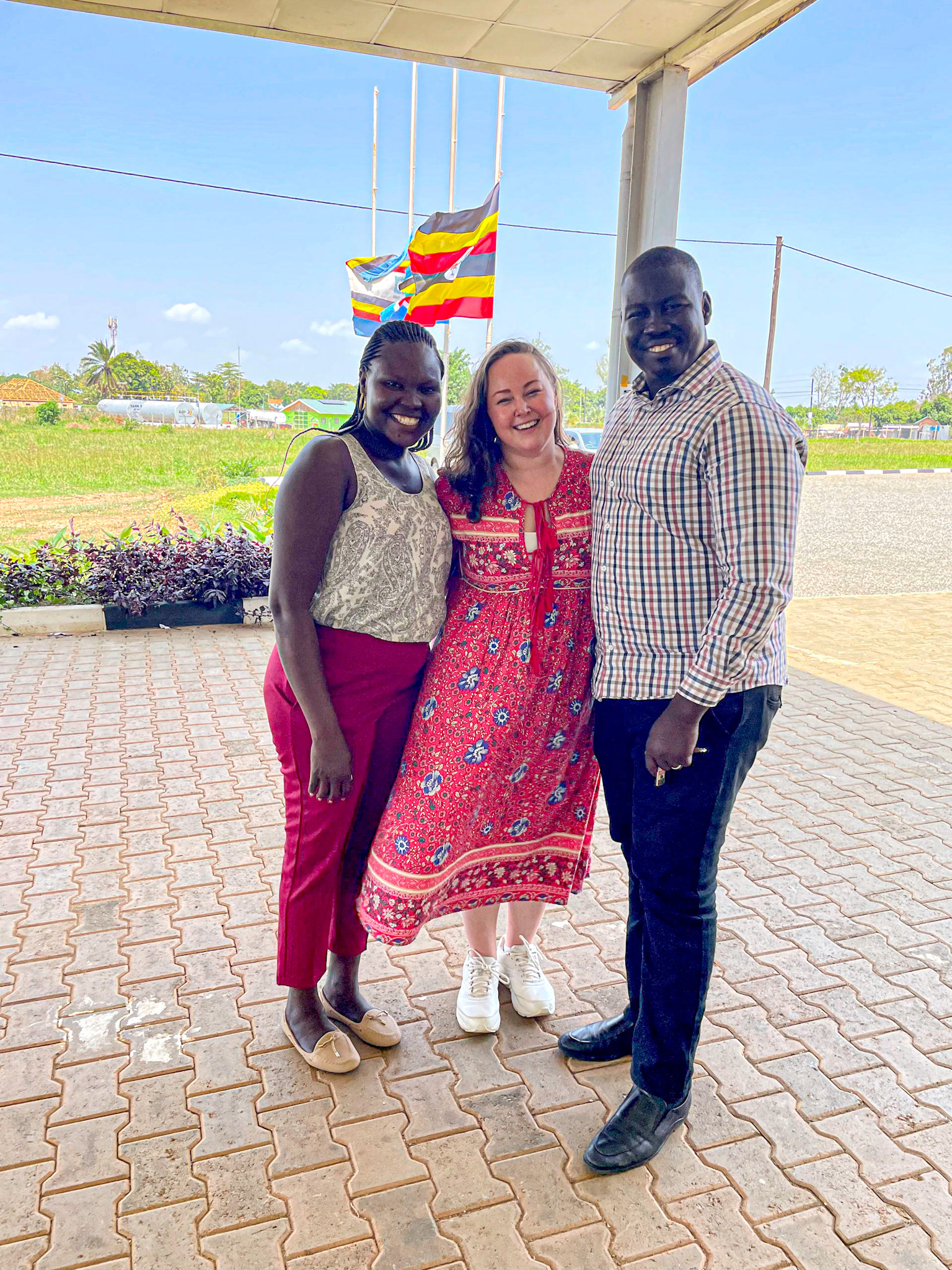
Ugandans are incredibly friendly, and greetings are important. Don’t rush into a shop or conversation without a polite “hello” and maybe a “how are you?” Even quick transactions are built on respect and friendliness.
9. Transportation Considerations
I highly recommend hiring a reputable local tour operator to help with your travel logistics when visiting Uganda. While in the city there are many taxis and boda bodas (motorbike taxis) and taking them can be part of the adventure, it can be easy to get taken advantage of if you’re unfamiliar with the area. Roads can be rough, and signage isn’t always clear, so having someone who knows their way around makes all the difference.


When it comes to getting around the country, you’ve got a few options depending on your timeline and comfort level. Long-distance buses are available and very budget-friendly, but no particularly comfortable for long journeys. If you're heading from Kampala up to the north, like to Arua or Yumbe, I highly recommend checking out Mission Aviation Fellowship (MAF). They operate small, reliable planes with reasonable prices and a weekly schedule that can save you hours of travel time.
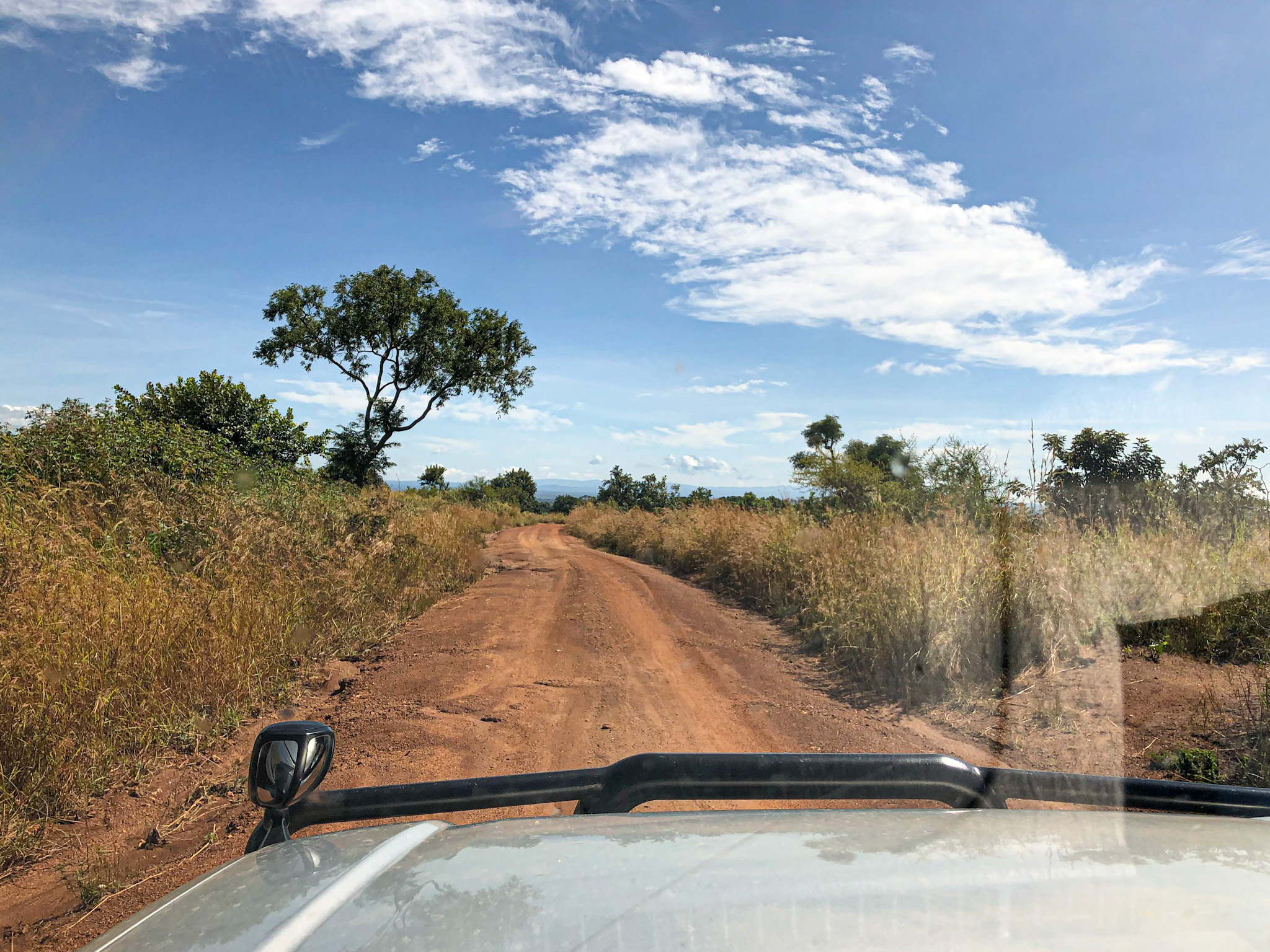
That said, road travel is also totally doable and give you great flexibility. You can rent a car or hire a local driver or tour guide to take you where you need to go. Uganda has made big strides in improving its roads, especially the major highways, but you’ll know exactly when the pavement ends. That’s when the "dancing in the car" begins (as my colleagues and I like to say) because those dirt roads will have you bouncing around in your seat like you're at a disco after midnight.
10. Food & Water Safety
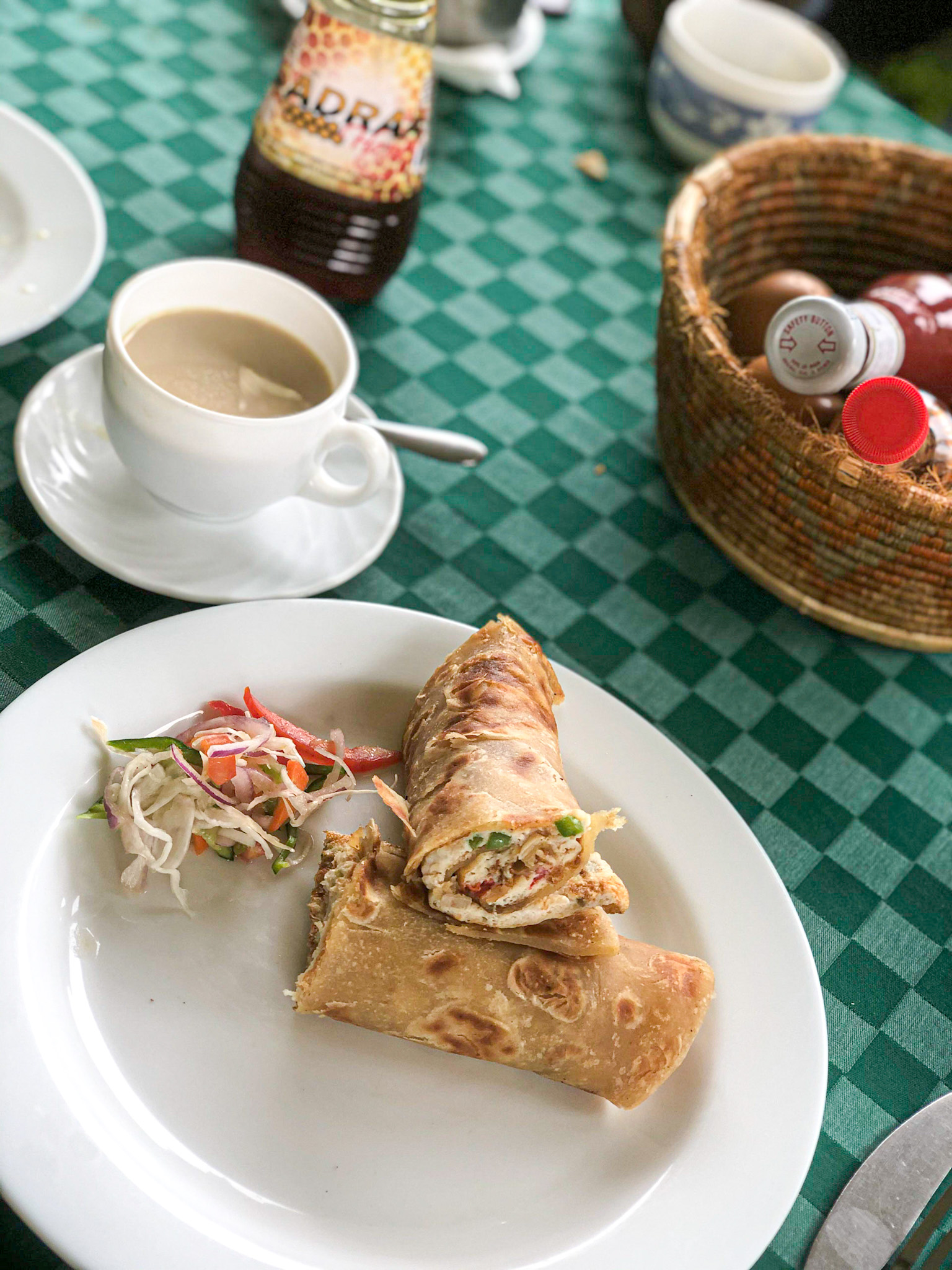
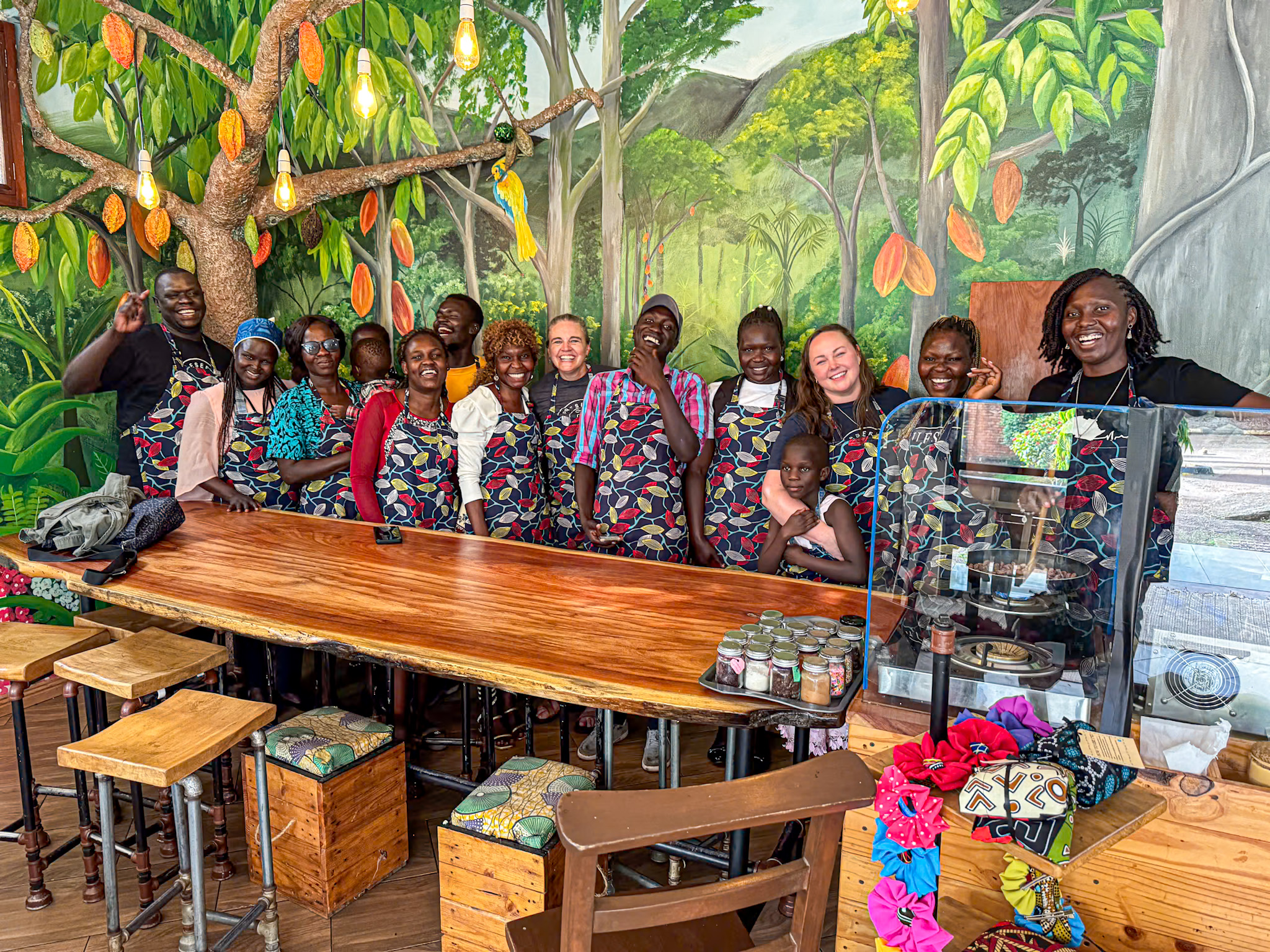
Ugandan food is fresh and flavorful. It's a huge and delightful part of the travel experience, but you do need to be cautious. Stick to bottled water, and avoid raw produce washed in tap water (like lettuce or fruits). You don't need to eat anything that makes you feel uncomfortable, but if you’re offered food, don’t refuse it without an explanation. It’s more respectful to politely explain why if you need to decline.


11. Tipping Etiquette
Tipping isn’t mandatory but is appreciated and often expected from foreigners. In restaurants, 5-10% is standard, and it’s also thoughtful to tip drivers, guides, and hotel staff. If someone goes out of their way for you, a small token of appreciation is always welcome. I recommend keeping some smaller bills on you at all times for this purpose.
12. Hotels, Guesthouses and Airbnbs
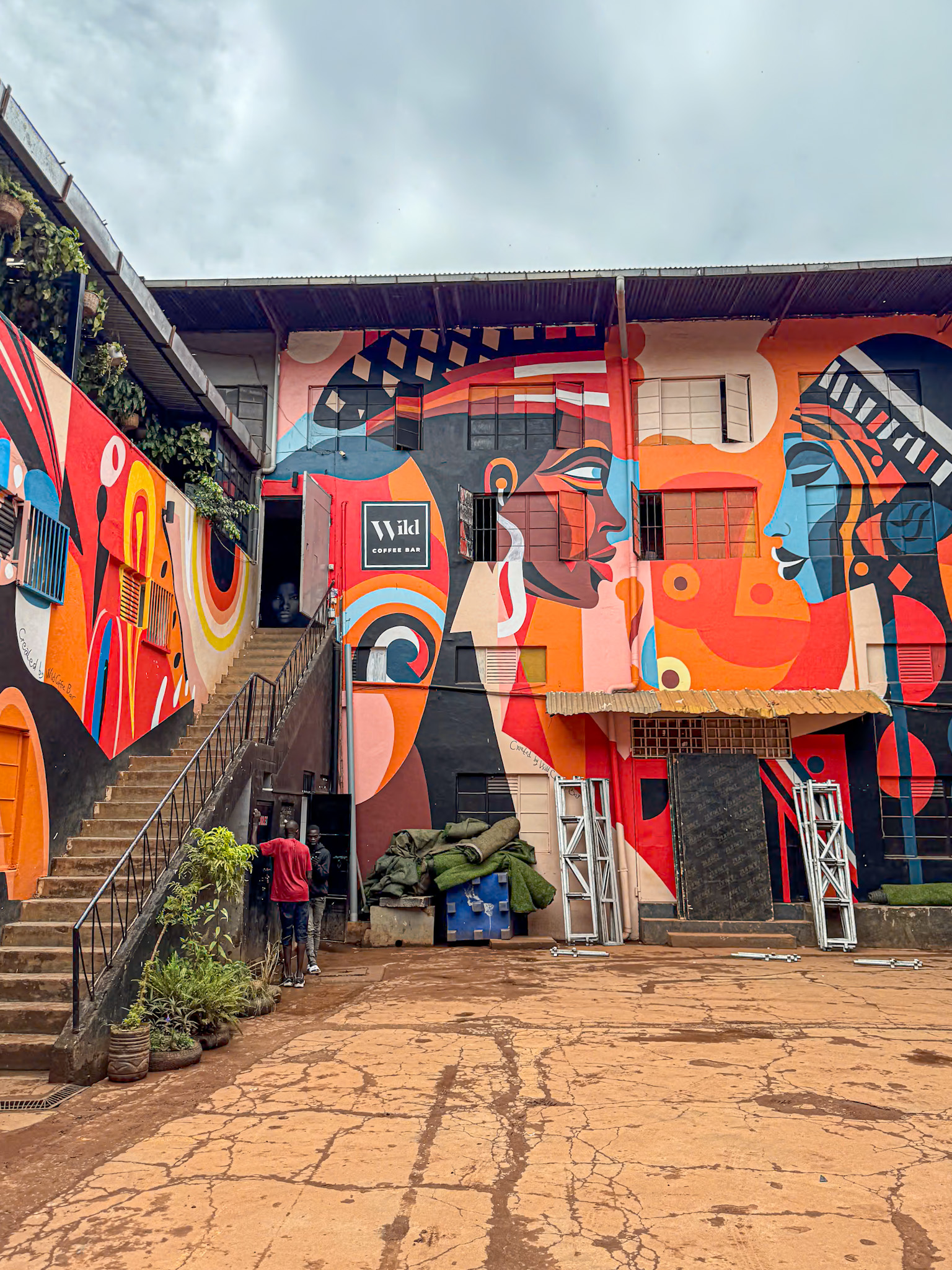
When it comes to where to stay in Uganda you’ve got some great options. Hotels, guesthouses, and Airbnbs each have their own vibe.
Hotels are a solid choice if you're looking for more amenities. Many have air conditioning, which can be very appreciated after a hot day traveling.
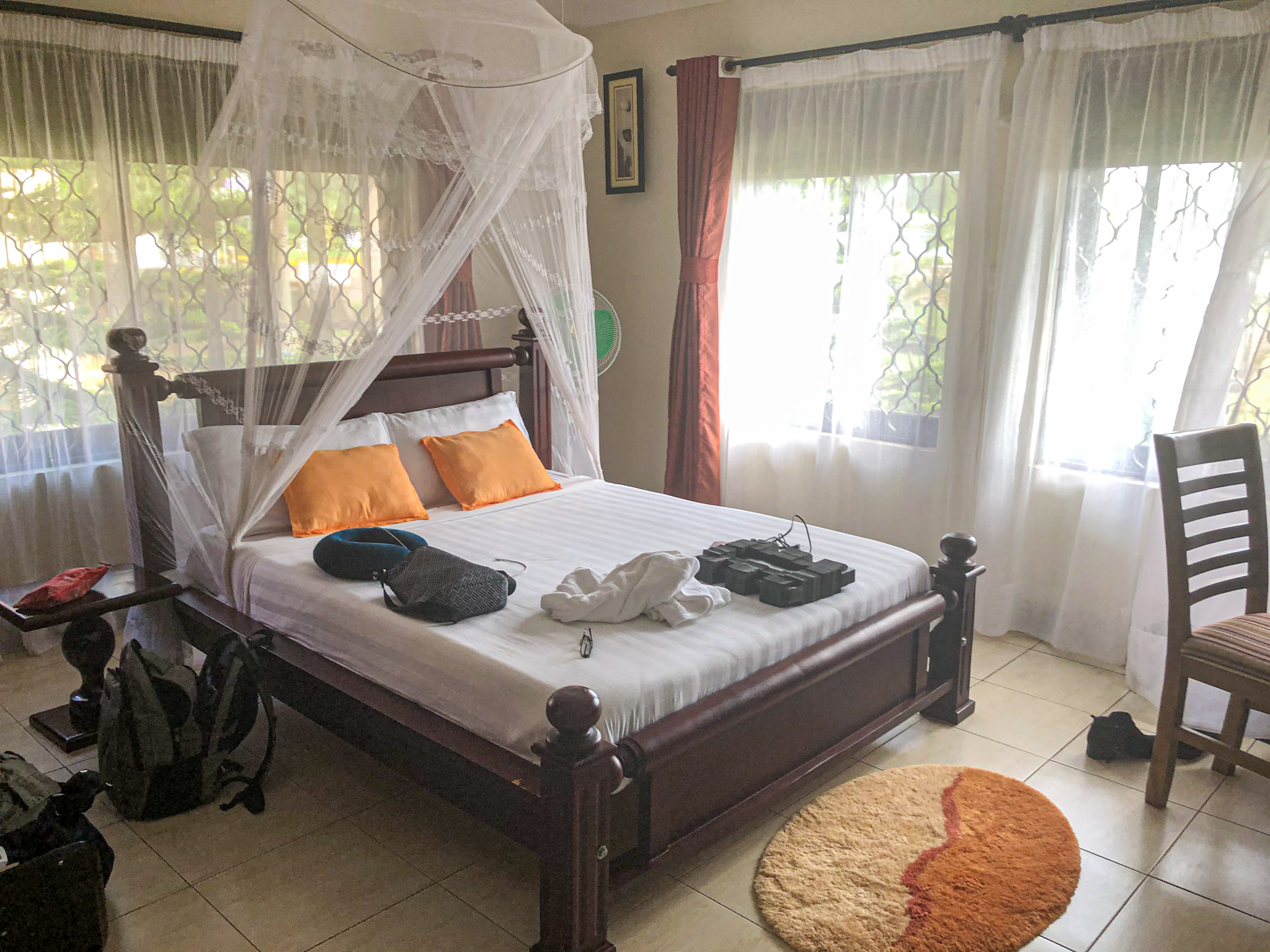
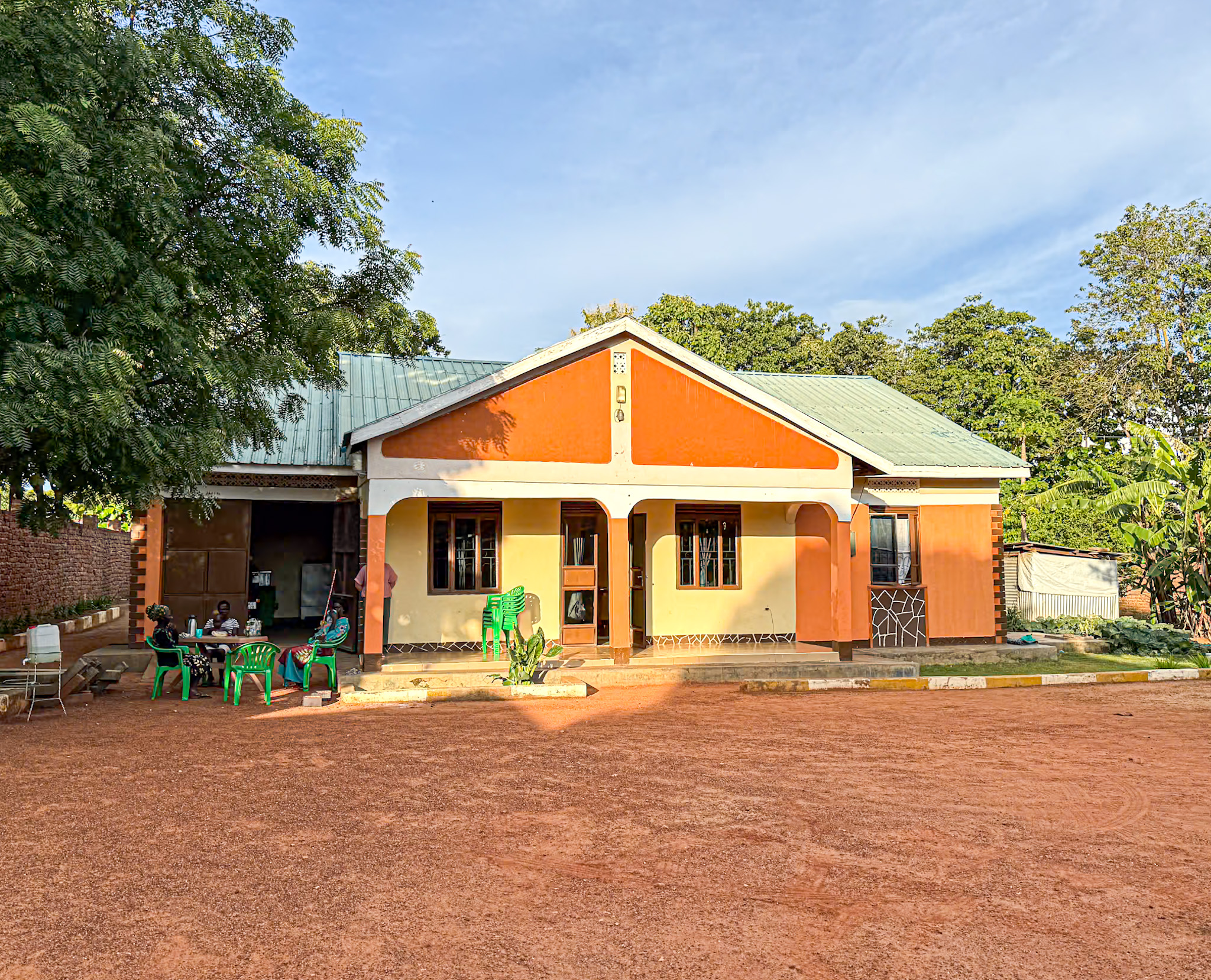
Guesthouses, on the other hand, offer a more personal, local experience. You’ll likely get to know the owner and staff by name, and they can be a great resource for insider tips and the food is often homemade and delicious.

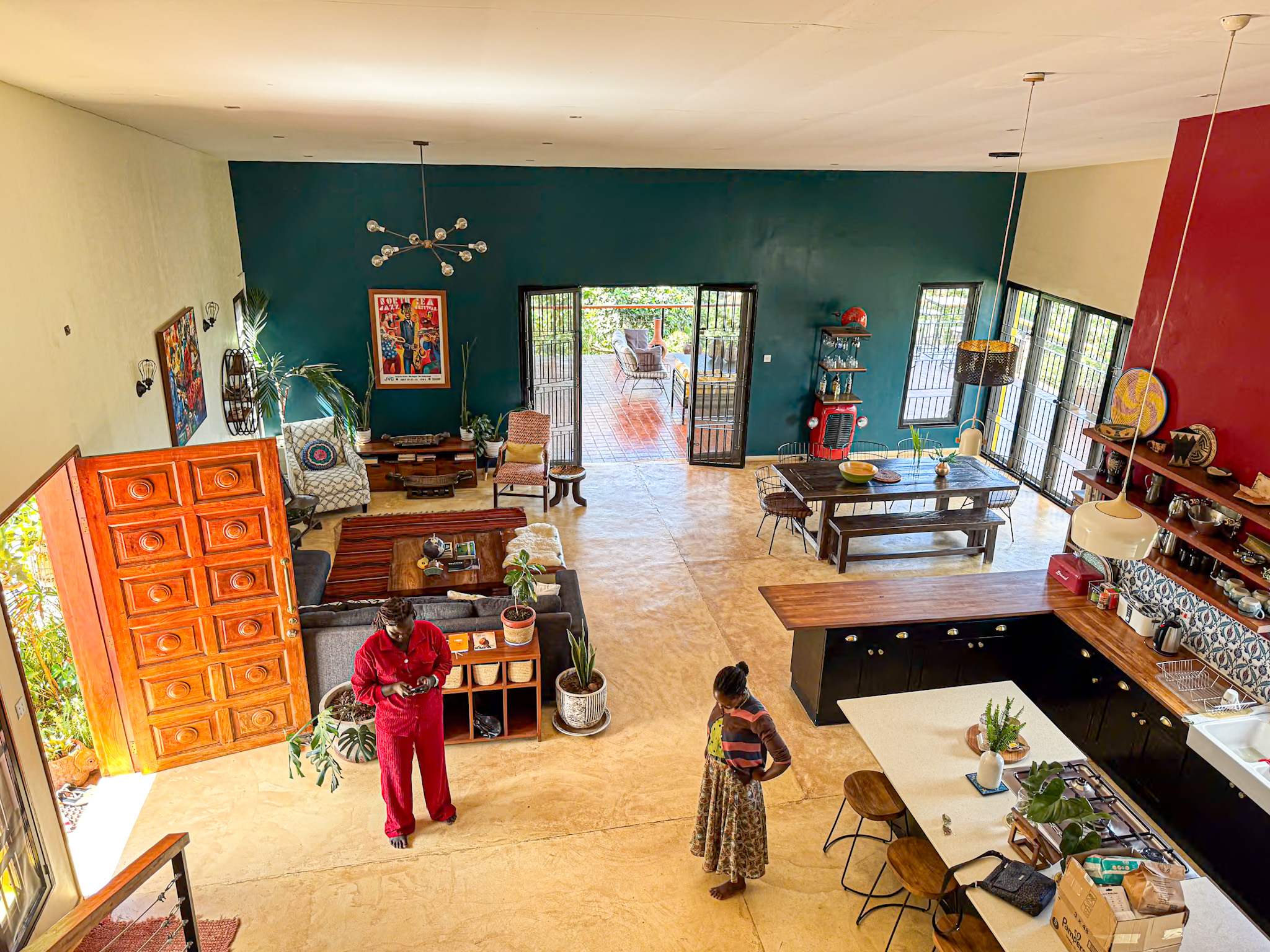
If you’re traveling with a larger group, I highly recommend checking out Airbnbs. We stayed in one last year for a team retreat and it was perfect! Spacious, beautifully designed, had a pool, and the view of the Ugandan countryside was absolutely stunning. Plus, it was actually cheaper than booking individual hotel rooms for everyone.
13. Religion & Politics
Uganda is a deeply religious country, with many people praying before meals or during conversation. Be respectful, even if your practices differ. Avoid discussing Ugandan politics, especially critically as this can be sensitive and even dangerous depending on the setting.
14. Health & Services
Come prepared with your own meds, especially if you're heading to rural areas. I always pack a first aid kit, bug spray, etc. Before you leave ask your doctor for a prescription for an antimalarial medication. The three primary options are Doxycycline, Malarone and Lariam. I personally prefer Malarone, though it can be more expensive. It is incredibly important that you take your antimalarials according to the prescription and do not skip doses.
I also typically request my doctor write a prescription for a strong antibiotic like Cipro just in case. Good clinics can be few and far between, and travel insurance with medical evacuation is absolutely worth it.
15. Rainy & Dry Seasons
Uganda doesn’t have four seasons like the U.S. You’ll get rainy seasons and a dry seasons. The dry seasons can be dusty and very hot, while the rainy seasons bring heavy but often short-lived downpours. Check the forecast before you go and pack accordingly. Both have their pros and cons and give a different experience of the country.
16. Register with the U.S. State Department
If you’re a U.S. citizen, it’s smart to register your trip with the Smart Traveler Enrollment Program (STEP). It keeps you in the loop with local safety info and helps the embassy reach you in an emergency.
17. Wildlife & Permits
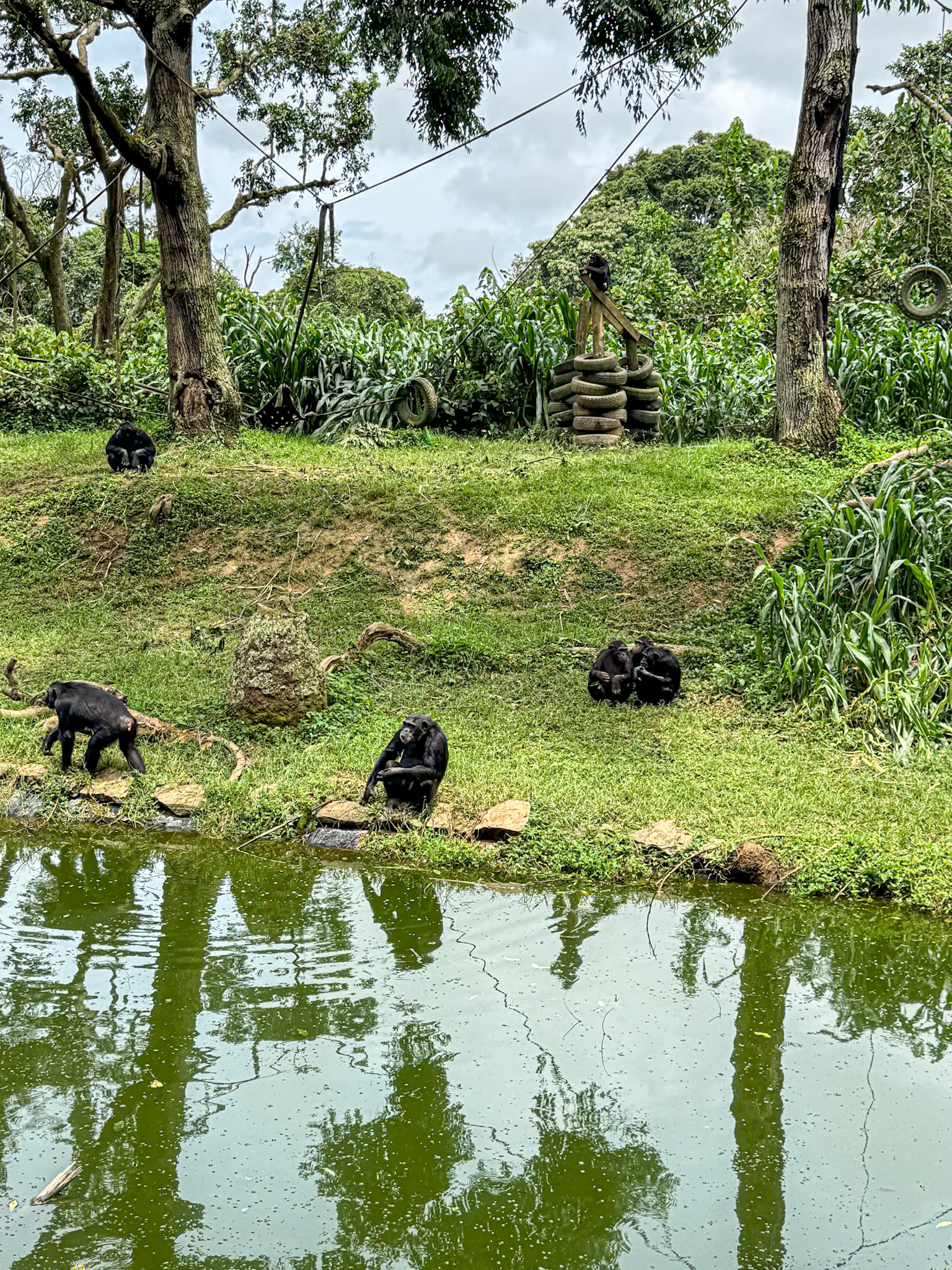
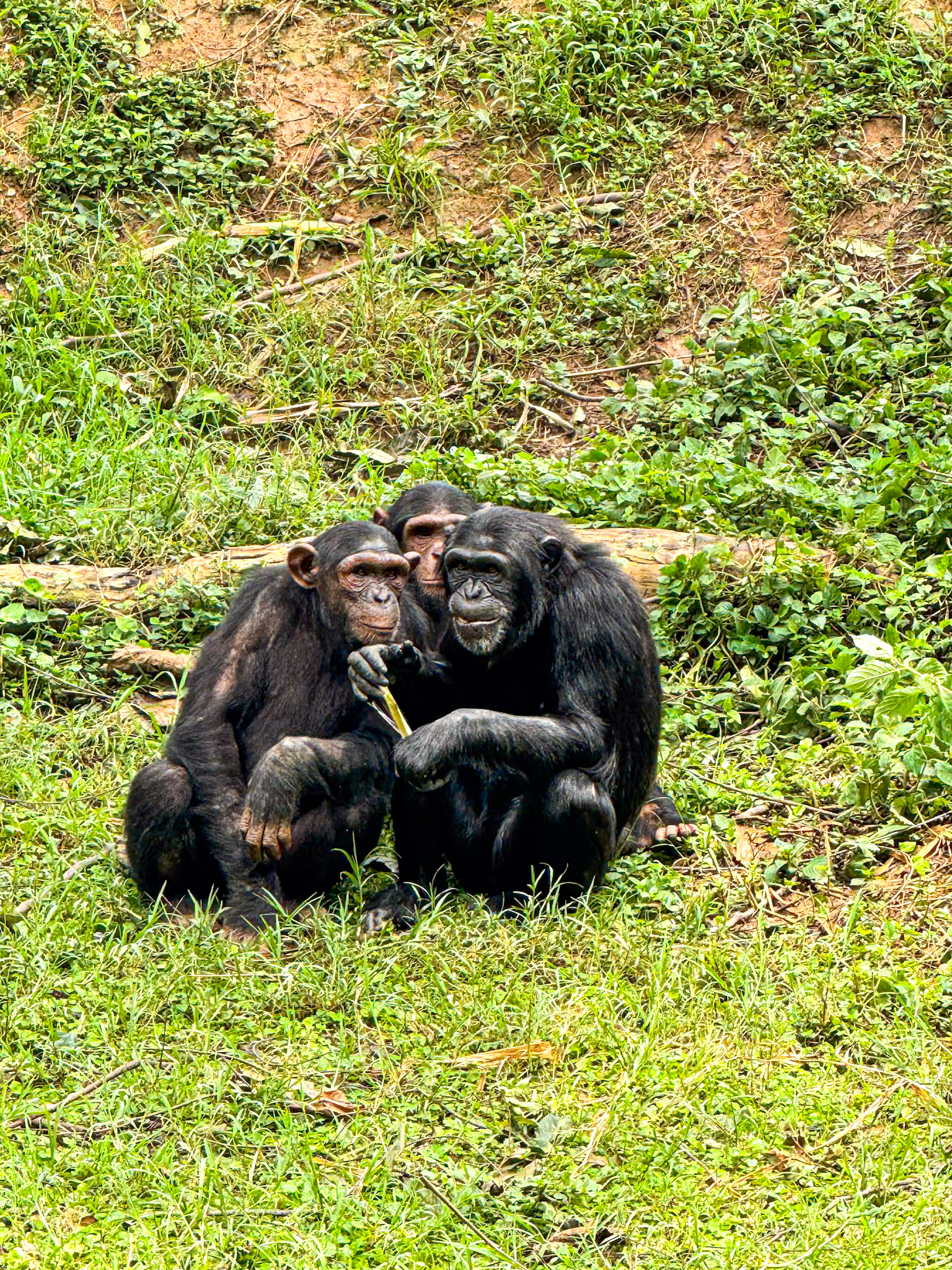
Uganda has some of the most incredible wildlife experiences in the world, from gorilla trekking to game drives. But many of these require permits booked in advance. A great tour guide will usually take care of this for you, but it’s worth researching ahead of time so you don’t miss out.
18. Public Displays of Affection
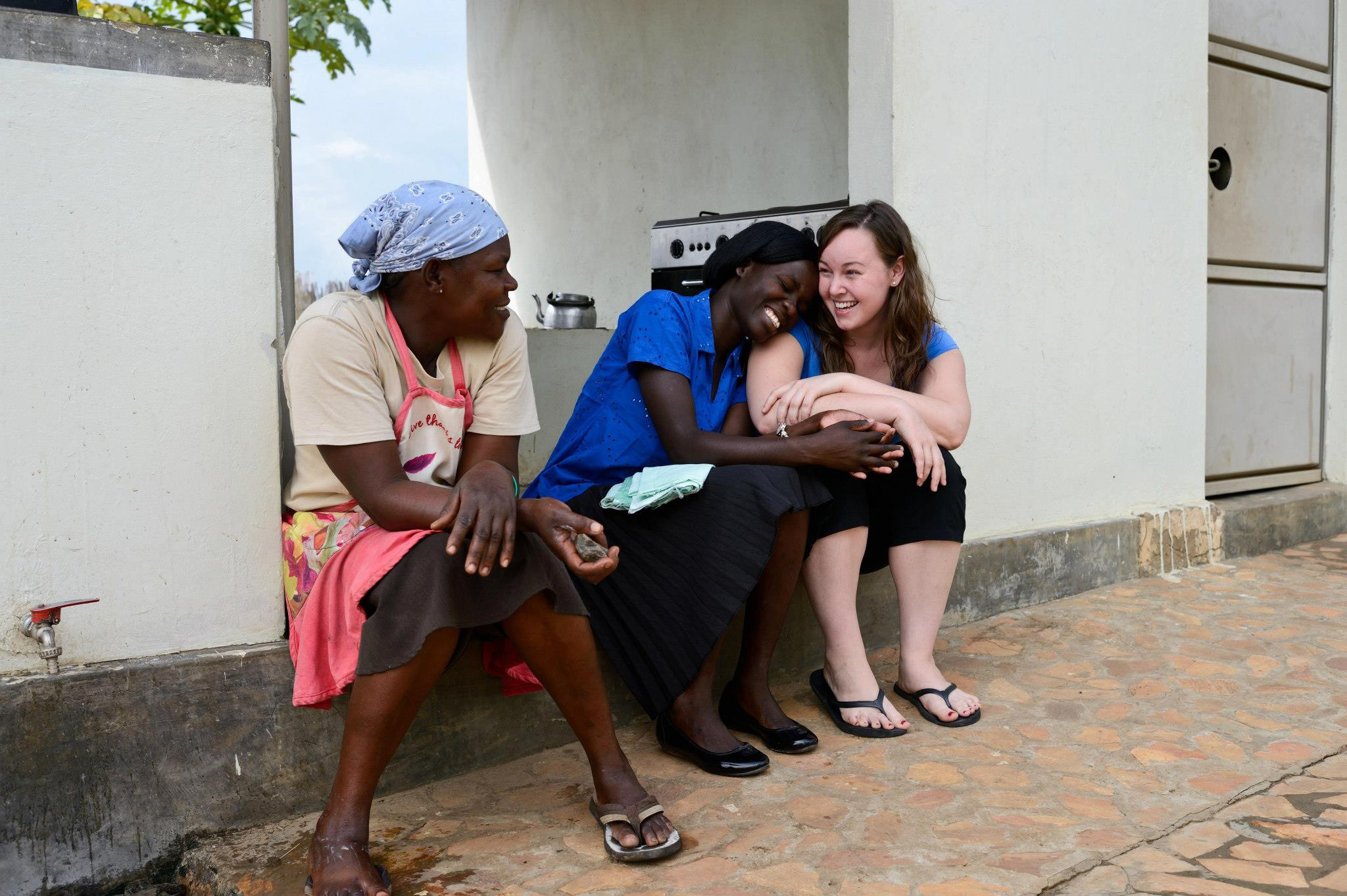
The people in Uganda are incredibly warm and friendly and platonic displays of affection, such as hugs and hand holding, are totally acceptable and celebrated. That beings said, Uganda is a conservative country and overt displays of romantic affection, especially kissing in public, can attract unwanted attention or disapproval. Best to keep things low-key and respectful.
Special Note: Considerations for Same Sex Couples Traveling to Uganda.
Same-sex relationships are illegal in Uganda and unfortunately the laws are among the most severe in the world. In 2023, Uganda passed an updated anti-LGBTQ law that includes extremely harsh penalties, including potential imprisonment for same-sex relationships and related expressions of identity. There is also widespread social stigma, especially in rural areas, and the law allows for citizens to report others, creating a risky environment for LGBTQ+ individuals.
So what should LGBTQ+ travelers do?
This is a deeply personal decision, but here are some key things to keep in mind:
- Safety first. LGBTQ+ travelers should prioritize discretion when visiting Uganda. Public displays of affection are generally frowned upon, but for same-sex couples, they could be dangerous. Avoid any behavior that could draw unwanted attention.
- Book with trusted tour operators. If you're LGBTQ+ and still want to visit Uganda, work with a tour operator who understands the risks and can guide you appropriately. Some companies are known to be discreet and supportive of all travelers, though they may not openly advertise this.
- Know your rights, but don’t rely on them. The U.S. embassy cannot override local laws. While they can provide support if you're arrested, they cannot prevent you from being detained if you violate local legislation.
Final Thoughts
Visiting Uganda is more than just a vacation. It’s an experience that will stay with you forever. From the vibrant local markets to the breathtaking landscapes and the warmth of the people, this country has a way of capturing your heart. Whether you’re savoring a Rolex by the roadside, navigating a dusty red dirt road, or sharing stories with new friends, you’ll find that Uganda offers a depth of culture and connection that’s hard to match. So don’t just pass through, immerse yourself. Take it all in. Visiting Uganda will be the trip of a lifetime.